
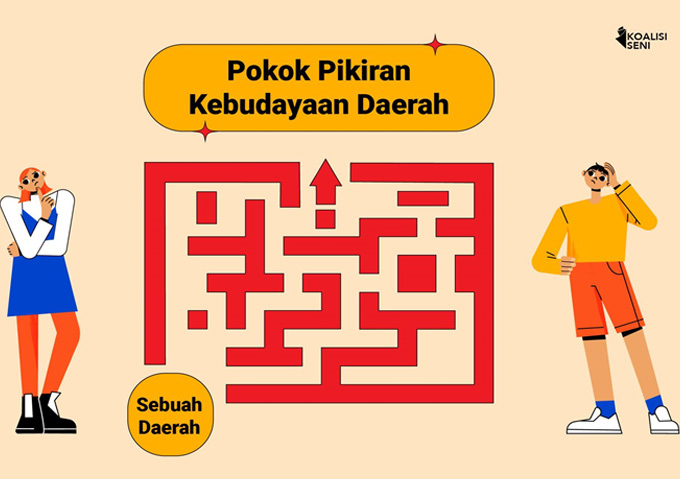
Jakarta – Lima tahun setelah Undang-Undang No 5 Tahun 2017 tentang Pemajuan Kebudayaan (UUPK) disahkan, Pemerintah akhirnya meluncurkan Dana Indonesian. Dana ini diharapkan dapat menjaga nyala api berbagai kegiatan pemajuan kebudayaan di Nusantara. Namun Koalisi Seni –lembaga nirlaba yang bergerak di bidang advokasi kesenian dan seniman, melihat, masih banyak masalah dalam proses pemajuan kebudayaan. Hal ini meliputi penyusunan dokumen pedoman pemajuan kebudayaan, yaitu Pokok Pikiran Kebudayaan Daerah (PPKD).
Sejak pembuatan PPKD pertama kali diamanatkan melalui Peraturan Presiden No 65 Tahun 2018 tentang Tata Cara Penyusunan Pokok Pikiran Kebudayaan Daerah dan Strategi Kebudayaan (Perpres PPKD), baru 34 PPKD provinsi dan 393 kabupaten/kota yang memiliki PPKD. “Angka itu masih di bawah ekspektasi, mengingat ini sudah masuk tahun kelima implementasi perpres tersebut,” kata Wakil Ketua Koalisi Seni, Kartika Jahja, di Jakarta, Rabu, 29 Juni 2022.
Idealnya, seluruh kabupaten, kota dan provinsi telah selesai menyusun PPKD sebelum Strategi Kebudayaan dirumuskan pada KKI 2018. Sebab, PPKD Provinsi maupun Kab/Kota akan digunakan sebagai basis dari Strategi Kebudayaan Daerah, atau acuan dari Rencana Induk Pemajuan Kebudayaan. Tanpa data yang valid, sumber daya objek pemajuan kebudayaan di Indonesia sulit untuk membangun visi yang konkret dalam memajukan kebudayaan ke depannya. PPKD penting karena menjadi awal dari pengarusutamaan kebudayaan dalam pembangunan di level daerah. Dokumen inilah yang mendorong urusan seni budaya untuk memiliki basis yang konkret sesuai dengan kebutuhan masyarakat. Hal itu sesuai dengan ketentuan Perpres PPKD yang mengamanahkan implementasi pemajuan kebudayaan harus disertai tujuan, sasaran, tahapan kerja, capaian tiap tahapan kerja dan indikator capaian. “Dengan begitu, urusan seni tidak bergantung pada perspektif kepala daerah atau pihak pemerintah lainnya, hingga anggaran dapat dialokasikan secara lebih ke dalam urusan seni budaya,” ujar Peneliti Kebijakan dari Koalisi Seni, Aicha Grade Rebecca.
Dari pengamatan di lapangan, Koalisi Seni menilai ada tiga masalah dalam proses penyusunan PPKD. Masalah pertama adalah pemahaman kebudayaan yang belum sejalan dengan perspektif pemajuan kebudayaan. Menurut UUPK, proses pemajuan kebudayaan perlu berasaskan keberagaman dan kelokalan dalam waktu yang bersamaan. Namun realitanya, representasi budaya dalam tim penyusun luput dipertimbangkan.
Dalam penyusunan PPKD DKI Jakarta, mislanya. Hikmat Darmawan, Sekretaris Jenderal Dewan Kesenian Jakarta yang turut dalam proses itu, mengatakan, dokumen PPKD yang rampung disusun pada 2018 tersirat belum mencakup beragam jenis budaya. Kondisi itu tentunya kontraproduktif dengan upaya PPKD untuk mendorong inklusivitas. Ke depannya, penyusunan PPKD kita harapkan merangkul perwakilan masyarakat yang lebih beragam, baik dari latar belakang pendidikan, usia, dan gendernya. “Ini penting agar hasil penyusunan PPKD nantinya lebih representatif, serta memperhatikan objek dan kondisi kesenian daerah yang bersangkutan,” Aicha menjelaskan.
Masalah kedua, proses penyusunan PPKD belum sesuai dengan Peraturan Menteri Pendidikan dan Kebudayaan No 46 Tahun 2018 tentang Pedoman Penyusunan Pokok Pikiran Kebudayaan Daerah. Riset Koalisi Seni sebelumnya mencatat, seniman masih kesulitan dalam mengakses rancangan dokumen PPKD dan berkontribusi dalam proses penyusunannya.
Di beberapa daerah pun masih ada PPKD yang terbentuk tanpa melibatkan forum publik. Termasuk PPKD Provinsi Riau, seperti dikatakan Aristofani Fahmi dari Asosiasi Seniman Riau (ASERI). Karena penyusunannya tak memperhatikan perspektif dari para pemangku kepentingan, banyak perbedaan antara yang tertulis dalam PPKD, dengan realita di lapangan. Dalam PPKD Riau, jumlah pelaku seni dan objek budayanya berbeda dengan kenyataan.
Masalah ketiga yang ditemukan dalam proses pembuatan PPKD adalah ketersediaan sumber daya manusia dan anggaran. Masalah ini bisa jadi disebabkan oleh terbaginya urusan kebudayaan dengan urusan lain di dalam satu “atap”, seperti dinas pariwisata dan olahraga. Dalam jangka panjang, hal ini dapat mengundang beberapa masalah baru yang dapat menghambat eksekusi pembentukan PPKD.
Berbagai kendala di atas menunjukkan bahwa perlu dilakukan proses pengawasan dan evaluasi PPKD secara berjenjang, yang diawasi oleh menteri di level provinsi dan gubernur di level kabupaten/kota. “Proses ini penting untuk memastikan adanya sinkronisasi antara PPKD dengan pelaksanaan program kebudayaan dalam perencanaan daerah, realisasi anggaran, dan realisasi capaian program bidang kebudayaan,” kata Aicha.
Hal ini menjadi tugas bagi Kementerian Pendidikan, Riset, Kebudayaan, Riset & Teknologi khususnya Direktorat Jenderal Kebudayaan, untuk melakukan tiga hal. Pertama, mengawal proses monitoring dan evaluasi (monev) tersebut hingga PPKD di level pemerintahan terkecil yaitu kabupaten/kota. Kedua, untuk mempertahankan objektivitas dalam proses monev PPKD karena sejauh ini, tata caranya hanya mengikutsertakan pihak pemerintah tanpa perwakilan sipil. Solusi ketiga, adalah untuk terus menggalakkan sosialisasi dan bimbingan teknis (bimtek) terkait penyusunan PPKD bagi pemerintah daerah (kabupaten/kota) yang belum menyusun PPKD.
Naskah opini editorial mengenai PPKD bisa diakses di bit.ly/3I3B45h
Tentang Koalisi Seni
Koalisi Seni adalah lembaga nirlaba yang bekerja membangun ekosistem seni lebih baik di Indonesia. Untuk mencapai tujuannya, Koalisi Seni melakukan advokasi kebijakan seni, mendorong terwujudnya dana abadi kesenian, serta memperkuat pengelolaan pengetahuan dan jaringan antara anggota organisasi.
Koalisi Seni menjembatani beragam pemangku kepentingan dalam advokasi kebijakan untuk memajukan ekosistem seni. Koalisi Seni telah berhasil mendorong disahkannya UU Pemajuan Kebudayaan, turut mengadvokasi RUU Permusikan, menyusun riset tentang kebebasan berkesenian, dan ikut menjaring aspirasi pegiat ekosistem seni untuk Strategi Kebudayaan Nasional pertama di Indonesia. Koalisi Seni juga sudah menggolkan konsep dana perwalian kebudayaan sehingga pemerintah pada 2021 berkomitmen mengalokasikan Rp3 triliun.
Anggota Koalisi Seni berkontribusi memperbaiki ekosistem seninya masing-masing, serta bekerja mengarusutamakan seni sebagai aset besar Indonesia. Hingga April 2022, Koalisi Seni beranggotakan 333 lembaga dan individu yang tersebar di 24 provinsi.
Untuk keterangan lebih lanjut maupun janji wawancara, sila hubungi:
Isma Savitri
Manajer Komunikasi Koalisi Seni
081-310-130-960





Komentar Untuk Berita Ini (0)
Posting komentar